What are the principles of a good opening?
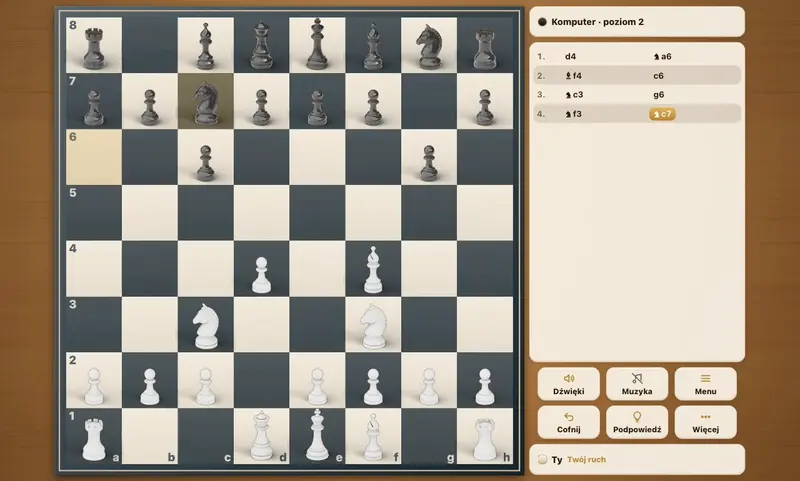
- Centre: pawns on e4 and d4 (e5 and d5 for Black) control the most important squares.
- Development: knights and bishops come out before the queen and rooks.
- King safety: castle, most often within the first ten moves.
- Tempo: every opening move should bring out a new piece or strengthen the centre.
Six chess openings worth starting with
- Italian Game: 1.e4 e5 2.Nf3 Nc6 3.Bc4. The bishop aims at the weak f7 square, and White castles quickly.
- Ruy Lopez (Spanish Game): 1.e4 e5 2.Nf3 Nc6 3.Bb5. The bishop presses on the knight that defends the e5 pawn; one of the oldest and best studied openings.
- Sicilian Defence: 1.e4 c5. Black fights for the centre from the side and plays to win, not to draw.
- French Defence: 1.e4 e6 and 2.d4 d5. Black builds a strong pawn chain and counterattacks the centre.
- Caro-Kann Defence: 1.e4 c6 and 2.d4 d5. A solid defence in which Black's light squared bishop comes out before the pawns close it in.
- Queen's Gambit: 1.d4 d5 2.c4. White offers the c pawn for a while to pull Black's pawn away from the centre.
Which opening should a beginner choose?
With White, start with the Italian Game: it is simple and teaches development and early castling. With Black, answer 1.e4 with 1...e5 and develop your pieces, and answer 1.d4 with 1...d5. Once you feel confident, try the Sicilian Defence or the Queen's Gambit. Understanding why each move is played matters more than memorising the moves.
The most common opening mistakes
- Bringing the queen out on move two or three.
- Pushing flank pawns instead of developing pieces.
- Castling too late, leaving the king stuck in the centre.
- Grabbing pawns at the cost of development and king safety.