Tournaments


How tournaments work

Online tournaments in card and board games
Klyo Games tournaments are live matches against real people, with nothing to install and nothing to pay. You pick a game, sign up with one click and get a reminder on your account email. Five minutes before the start check-in opens: you confirm you are there, and the server seeds the bracket from the strongest player down and assigns the tables by itself.
The server does all the counting. It deals the cards, checks every move and records the result, so nobody can write themselves a win. There are no bots in a tournament and no seats filled by the computer: the person across the table is always a human.
Fixed hours, and a date that never goes to waste
Klyo tournaments start at the same time every day, so they are easy to turn into a habit. If too few people sign up, the event is not lost: it moves to the next day at the same hour, and everyone who signed up confirms by email or on the board whether they will play on the new date. The board shows who has confirmed, who has checked in and who is on the waitlist.
Every player can also create a tournament for friends or for their club. The condition is simple: the organiser has to show up.
Rating, trophies and history
A record tells you your best score. A rating tells you how strong you are in matches, just as in chess. Each game has its own number: a new player starts at 800, and beating a stronger opponent earns more points than beating a beginner. The winner gets a trophy, and every tournament stays on the player profile: when it took place, how far you got and who won.
The rules are open. If you check in and then miss your match, you lose by walkover and get a penalty: 30 days at first, permanent the next time. Every penalty can be appealed, and a person makes the decision.
What you can play
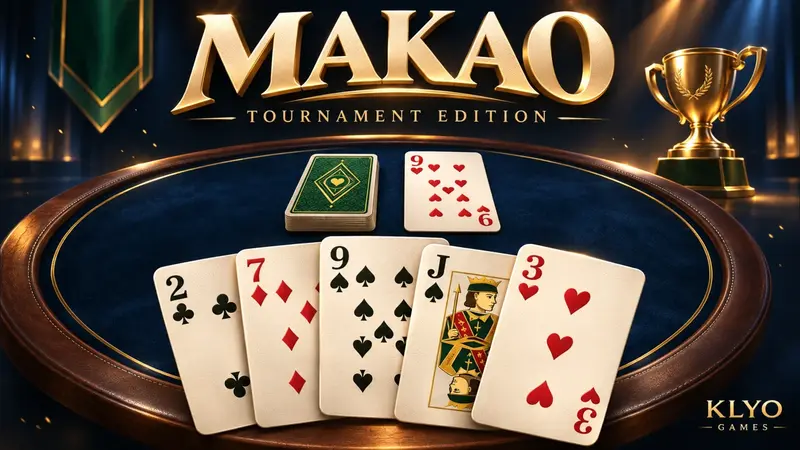
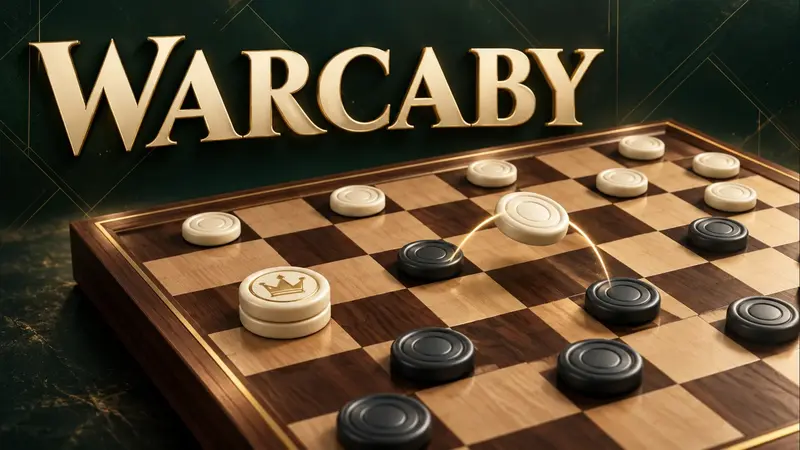
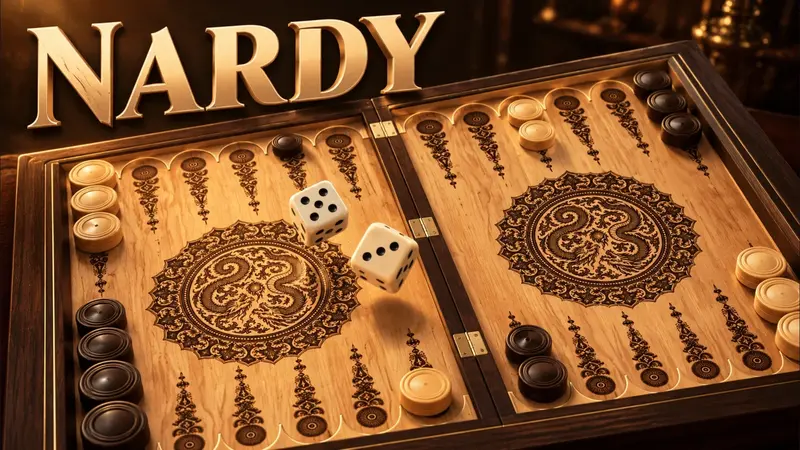
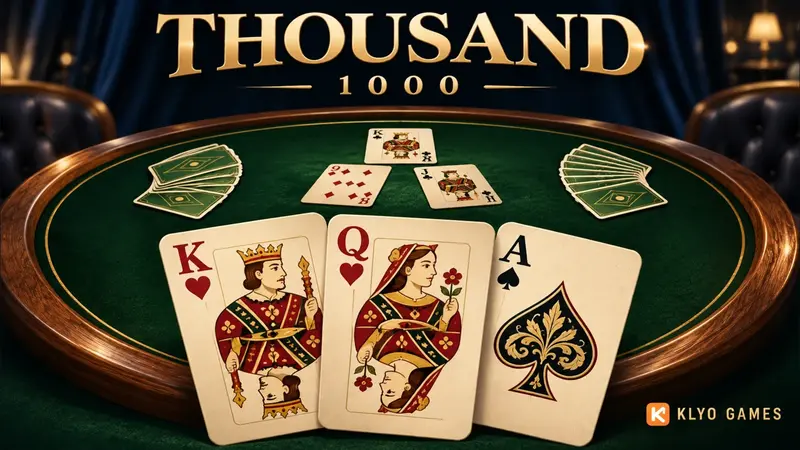
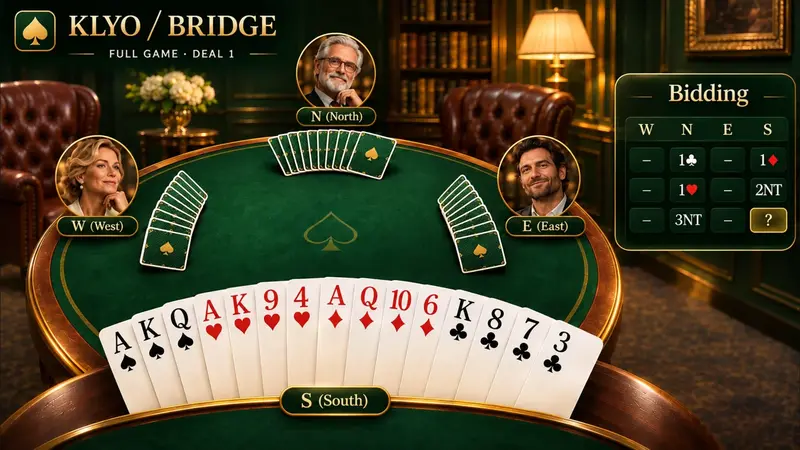
Matches start as one against one in Makao, checkers, backgammon and dominoes, because in these games the server checks every move by itself. Thousand, hearts and bridge will get their own tables and scoring, since three or four people play at one table. A match usually goes to two won games, so one bad deal does not end your chances. After the tournament the board stays in the archive, and anyone can look at the results later, even without an account.